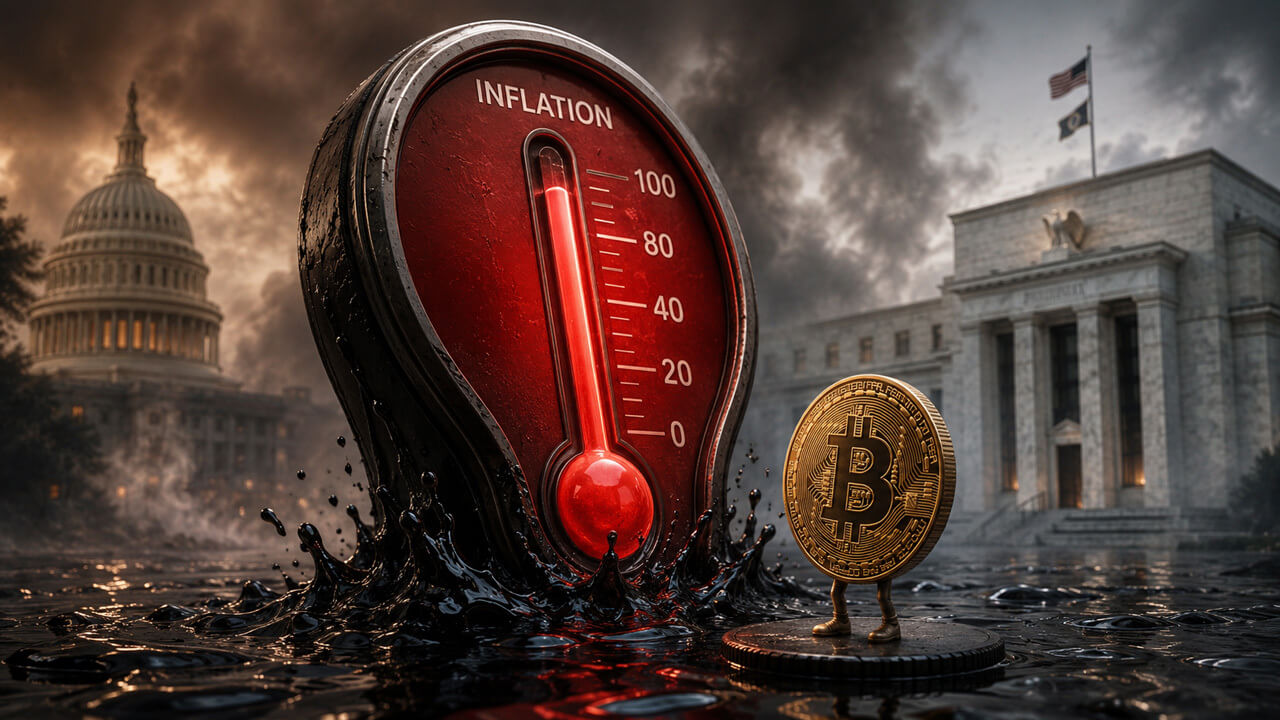
The Strait of Hormuz crisis has escalated beyond energy markets, with crude exports plummeting to under 10% of pre-conflict levels and disrupting economic policy across eight major economies. The International Energy Agency reports approximately 20 million barrels of daily capacity affected, forcing governments worldwide to recalibrate monetary and fiscal strategies as inflationary pressures mount.
**This development fundamentally alters Bitcoin's trajectory through 2026, positioning it at the intersection of geopolitical risk and monetary policy response.** As central banks face renewed inflation fears from energy supply shocks, the latest crypto policy changes could emerge as governments seek alternative financial mechanisms to navigate sanctions and payment disruptions. Bitcoin's role as a neutral settlement layer becomes increasingly relevant when traditional banking channels face geopolitical constraints. The crisis also accelerates institutional adoption discussions, as energy-dependent economies explore digital assets for strategic reserves and cross-border transactions.
**The current situation echoes 2022's energy crisis but with deeper structural implications for global finance.** Unlike previous oil shocks, this disruption occurs amid already elevated geopolitical tensions and fragmented international payment systems, creating conditions where alternative monetary networks gain strategic importance.
**Key developments to monitor:**
• **Central bank digital currency acceleration** as governments seek payment system independence
• **Bitcoin adoption signals** from energy-importing nations facing dollar shortage pressures
The convergence of energy security and monetary sovereignty is reshaping how institutions view Bitcoin's utility beyond speculative investment, potentially establishing new use cases in international trade and treasury management.
#Bitcoin #Geopolitics #CryptoPolicy