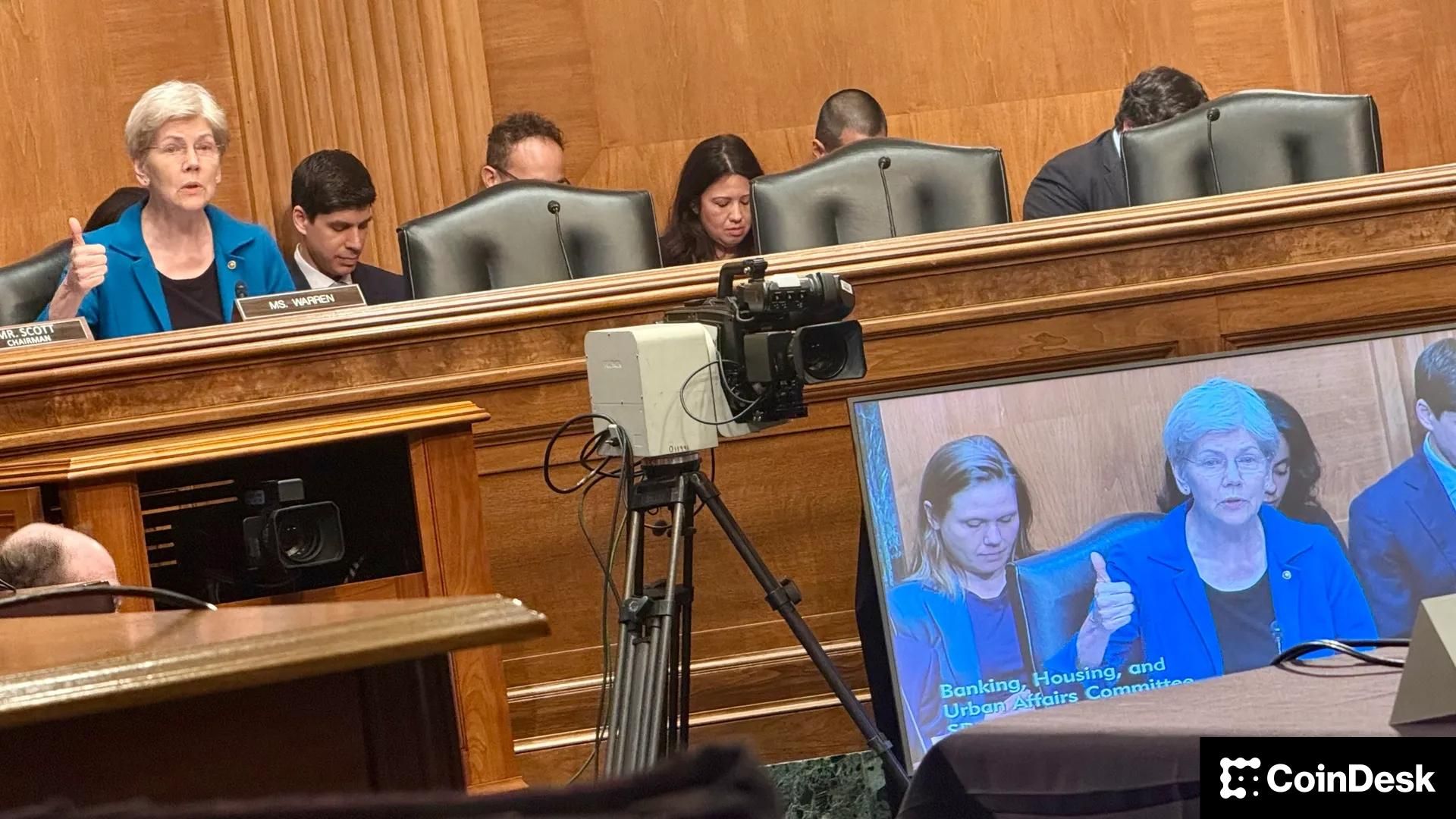
Clarity Act Amendments Face Uphill Battle in Congress
Proposed amendments to the Financial Innovation and Technology for the 21st Century Act would fundamentally restructure how digital assets are classified and regulated, but face significant political headwinds in the current legislative environment. The amendments seek to address key concerns around proof-of-stake networks and DeFi protocols that weren't adequately covered in the original bipartisan crypto bill.
**The amendments matter because they represent a last-ditch effort to refine crypto regulation before potential leadership changes impact legislative priorities.** Current proposals would expand SEC jurisdiction over certain token offerings while providing clearer safe harbors for decentralized networks. This regulatory clarity could prove crucial for institutional adoption, particularly as ethereum upgrade analysis suggests continued evolution toward more complex staking mechanisms that blur traditional securities definitions. **However, the narrow window for legislative action makes meaningful passage increasingly unlikely.**
How the Amendments Would Reshape Crypto Regulation
**The timing reflects broader uncertainty in crypto policy as regulators struggle to keep pace with technological innovation.** Previous attempts at comprehensive digital asset legislation have stalled amid partisan disagreements over enforcement mechanisms and jurisdictional boundaries between the SEC and CFTC.
**Key developments to monitor:**
DeFi Protocols and Proof-of-Stake Networks Get New Protections
• **Congressional calendar constraints** and whether lame-duck session provides sufficient time for meaningful debate
• **Industry coalition responses** to amended language, particularly from proof-of-stake network operators and institutional players