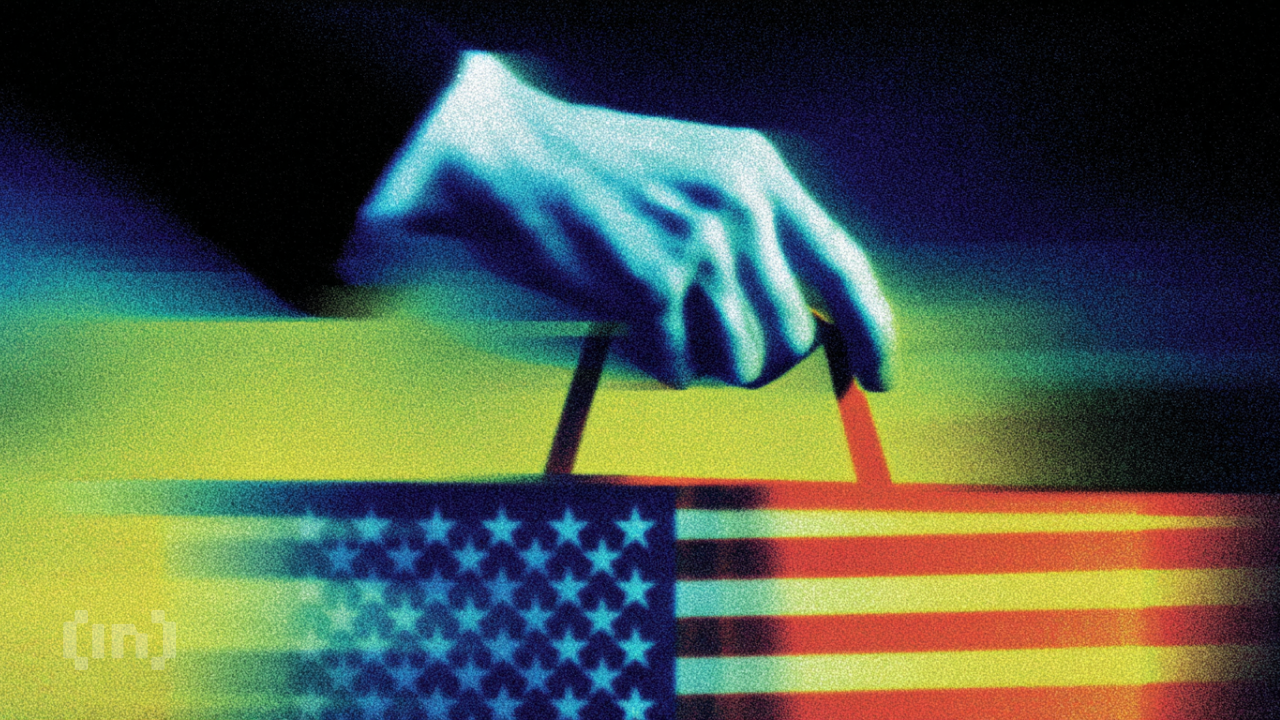
A new poll reveals that just 4% of American voters would consider a candidate's cryptocurrency stance when casting their ballot, placing digital assets at the bottom of voter priorities ahead of the 2026 midterms. This finding directly challenges the crypto industry's long-held narrative that retail investors represent a formidable political force capable of swaying elections.
**Why it matters:** The data undermines crypto's core lobbying strategy, which has centered on portraying digital asset holders as an influential voter demographic that politicians ignore at their peril. This revelation could significantly weaken the industry's bargaining position in Washington, particularly as lawmakers craft future regulatory frameworks. The crypto sector has invested heavily in political campaigns and PACs under the assumption that voter sentiment would translate into policy influence, but these numbers suggest that investment may be yielding diminishing returns.
**Context:** The crypto industry has aggressively pursued political engagement since 2020, with organizations like Coinbase and major exchanges funding lobbying efforts worth millions. This strategy assumed that the growing number of Americans holding digital assets would naturally translate into political clout, similar to how homeowners or gun owners influence policy debates.
• **How crypto regulation news 2026 develops** as lawmakers may feel less pressure to accommodate industry demands given minimal voter interest
• **Whether the industry pivots** from grassroots political strategies toward more traditional corporate lobbying approaches focused on economic impact rather than voter mobilization
The findings suggest crypto's political maturation may require abandoning populist messaging in favor of demonstrating concrete economic value to constituents and lawmakers alike.
#CryptoPolitics #DigitalAssets #RegulatoryPolicy