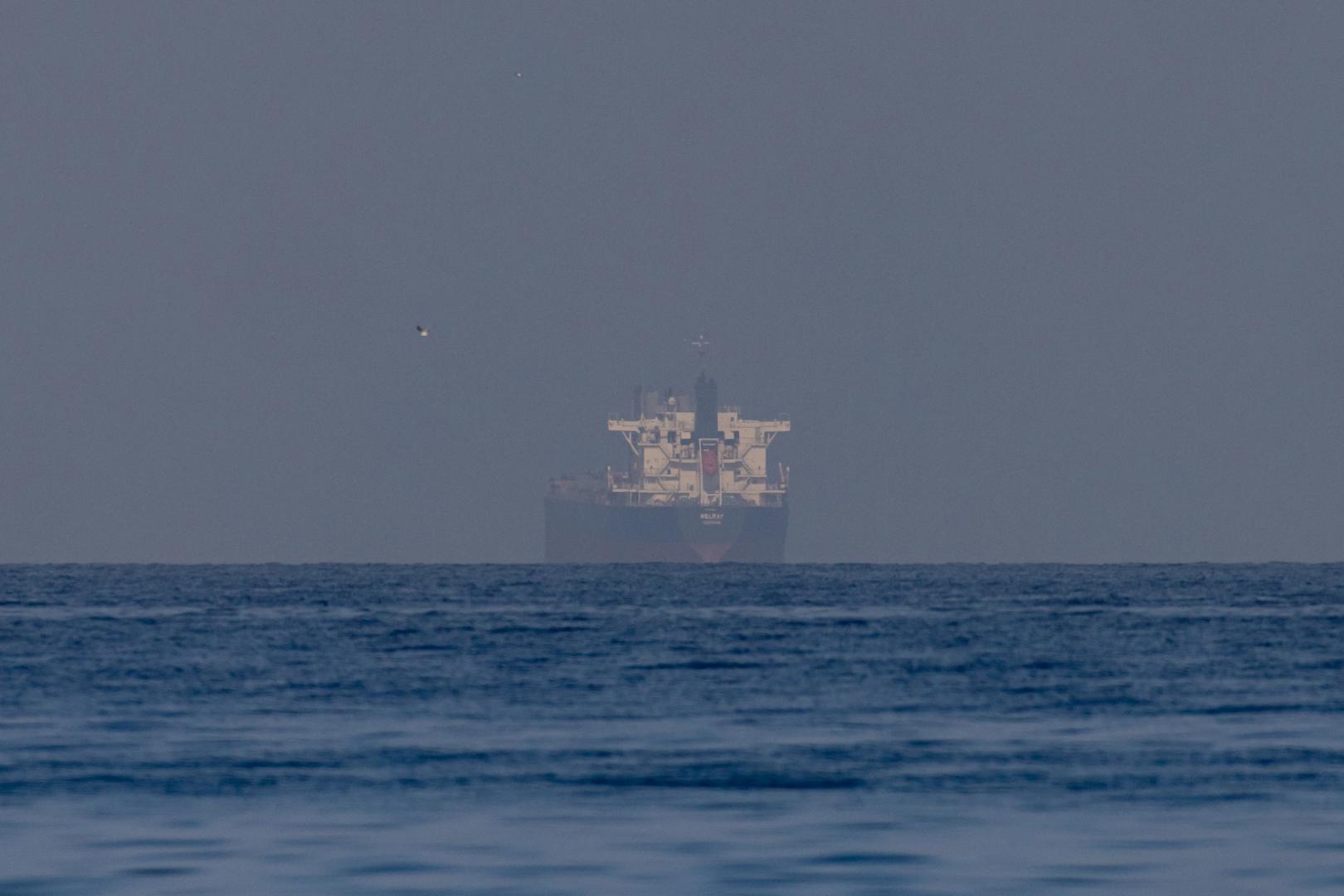
Iran Develops Bitcoin-Based Insurance Framework for Hormuz Strait
Iranian authorities are reportedly developing a bitcoin-based insurance framework for commercial shipping through the Strait of Hormuz, according to local media sources. The initiative would allow vessel operators to secure cryptocurrency-denominated coverage for transits through the strategically vital waterway that handles approximately 20% of global oil shipments.
This development represents a significant evolution in how sanctioned nations leverage cryptocurrency to circumvent traditional financial infrastructure. By establishing a bitcoin insurance market, Iran could create an alternative risk management system that operates outside the reach of Western banking sanctions while generating substantial revenue from one of the world's most critical trade chokepoints. The move underscores how **latest crypto policy changes** are increasingly driven by geopolitical necessity rather than purely technological innovation.
How Cryptocurrency Helps Sanctioned Nations Bypass Financial Restrictions
Iran's pivot toward cryptocurrency-based financial services has accelerated dramatically since 2021, when the country began accepting bitcoin for international trade settlements. The nation has systematically developed crypto mining operations and digital asset frameworks as sanctions have intensified, viewing blockchain technology as essential infrastructure for economic sovereignty. These **latest crypto policy changes** reflect a broader pattern of sanctioned economies embracing decentralized finance.
The implications extend far beyond Iran's borders. A functioning bitcoin insurance market for Hormuz transit could establish precedent for other cryptocurrency-based commercial services in international trade, potentially accelerating institutional adoption of digital assets for complex financial products.
Global Impact: Bitcoin Insurance in Strategic Shipping Routes
**Key developments to monitor:**
• Response from traditional maritime insurance giants like Lloyd's of London to this competitive threat
• Regulatory reactions from major shipping nations and whether they attempt to restrict vessels using such services
#Bitcoin #MaritimeInsurance #CryptoPolicy