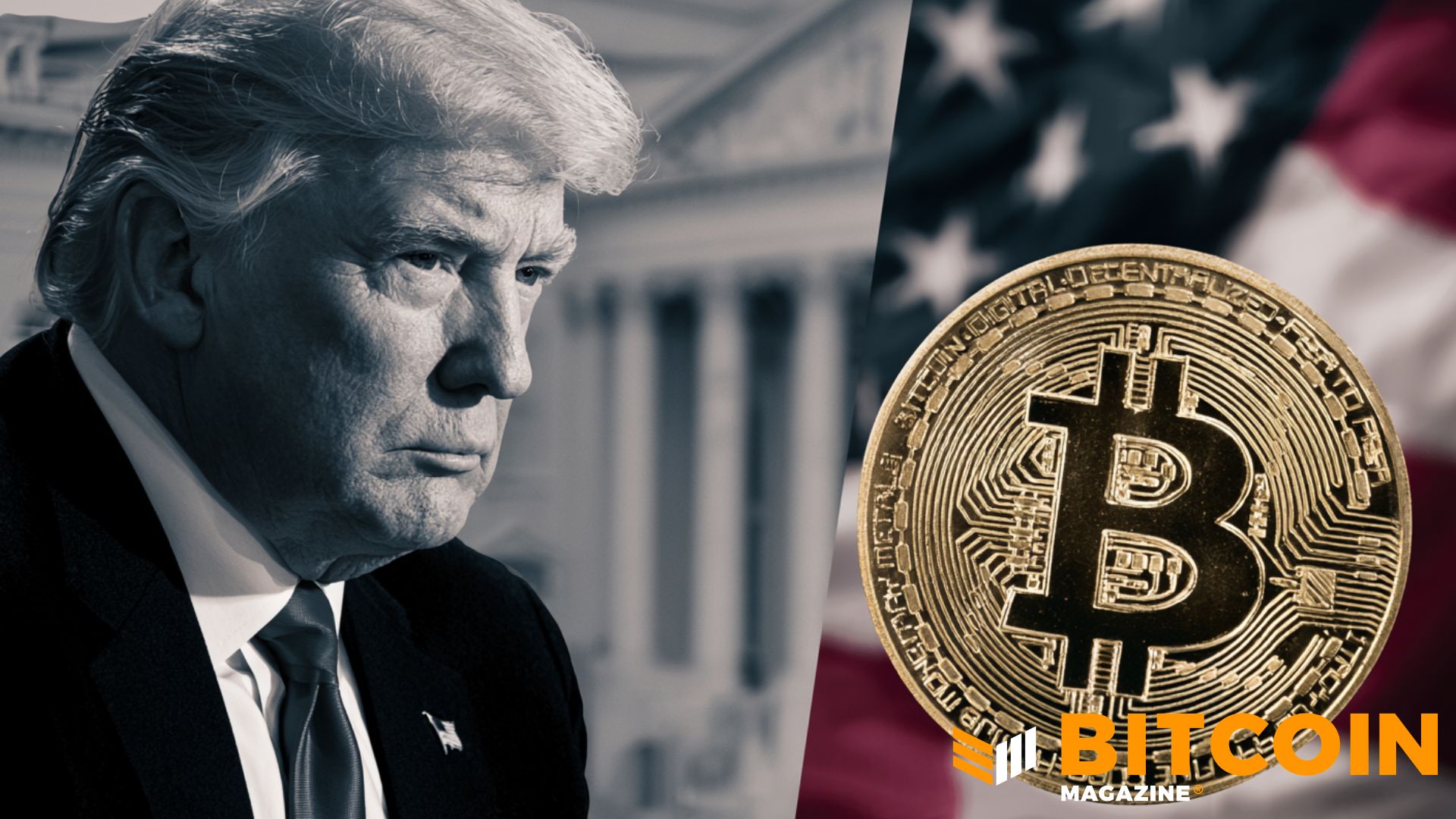
Trump's Executive Order: Crypto Regulation Overhaul
President Trump signed an executive order Tuesday mandating the Federal Reserve and other financial regulators to review and eliminate barriers preventing cryptocurrency and fintech companies from accessing U.S. payment rails. The directive escalates a prolonged regulatory standoff over digital asset integration into traditional financial infrastructure.
This move signals a potential seismic shift in crypto-banking relations, potentially opening doors for stablecoins, digital asset firms, and DeFi protocols to interface directly with Federal Reserve payment systems like FedWire and ACH networks. The order could fundamentally alter how institutional investors and Web3 builders access liquidity and settlement mechanisms, reducing reliance on traditional banking intermediaries that have historically gatekept crypto access.
How This Affects Stablecoins and DeFi
The directive comes amid mounting pressure from industry advocates who argue that regulatory uncertainty has stifled innovation and forced legitimate crypto businesses offshore. Traditional banks have increasingly distanced themselves from digital asset companies due to regulatory ambiguity and compliance concerns, creating a fragmented ecosystem that hampers institutional adoption. While this development primarily focuses on payment infrastructure, similar regulatory clarity could extend to other blockchain networks—potentially informing future ethereum upgrade analysis as Layer 2 solutions and cross-chain protocols seek traditional finance integration.
Trump's order represents the most aggressive federal action toward crypto-traditional finance convergence to date, potentially reshaping the competitive landscape between established financial institutions and emerging digital asset platforms.
Federal Reserve's Role in Crypto Integration
• Federal Reserve's timeline and specific implementation guidelines for compliance reviews
• Traditional banking sector response and potential lobbying efforts to maintain current gatekeeping mechanisms
#CryptoRegulation #PaymentRails #DigitalAssets