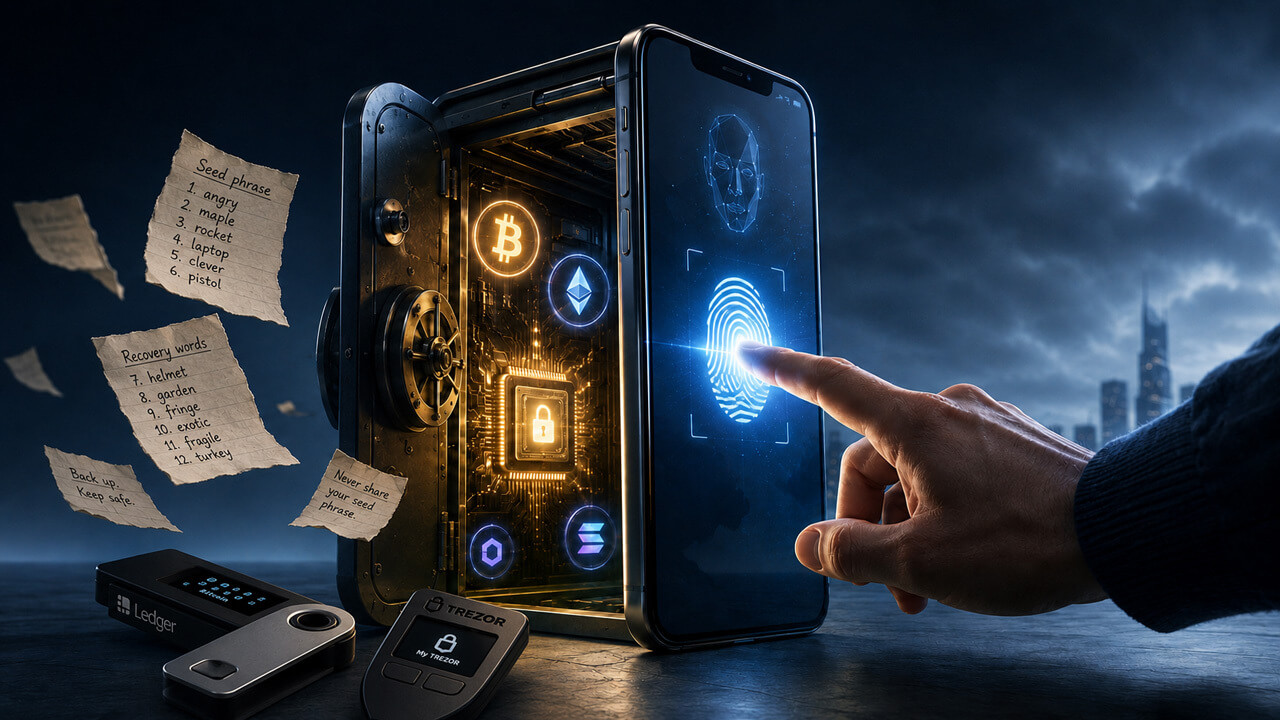
Cardano founder Charles Hoskinson sparked industry debate at Consensus 2026, arguing that users should never directly manage private keys and that secure chips in mainstream smartphones already surpass dedicated hardware wallets like Ledger and Trezor. His vision positions Apple's iPhones and Android devices as superior crypto custody solutions through their built-in secure elements.
This represents a fundamental shift in crypto security philosophy that could reshape wallet infrastructure across the industry. Hoskinson's stance directly challenges the "not your keys, not your crypto" mantra that has dominated cryptocurrency culture since Bitcoin's inception. If major projects like Cardano pivot toward mobile-native wallet solutions, it could accelerate mainstream adoption by removing technical barriers for everyday users while potentially exposing the ecosystem to new attack vectors.
The timing aligns with broader institutional acceptance and the latest crypto policy changes emerging globally, as regulators increasingly focus on consumer protection and custody standards. Major smartphone manufacturers have indeed invested heavily in secure enclave technology, with Apple's Secure Element and Android's Hardware Security Module offering bank-grade protection that many dedicated crypto devices struggle to match.
• Integration announcements between Cardano and major mobile OS providers
• Regulatory responses to custodial wallet solutions embedded in consumer devices
The debate highlights a critical inflection point where user experience may trump ideological purity in driving the next wave of crypto adoption. Enterprise adoption patterns increasingly favor convenience over absolute self-sovereignty, suggesting Hoskinson's vision could gain traction despite pushback from crypto purists.
#Cardano #CryptoWallets #MobileCrypto