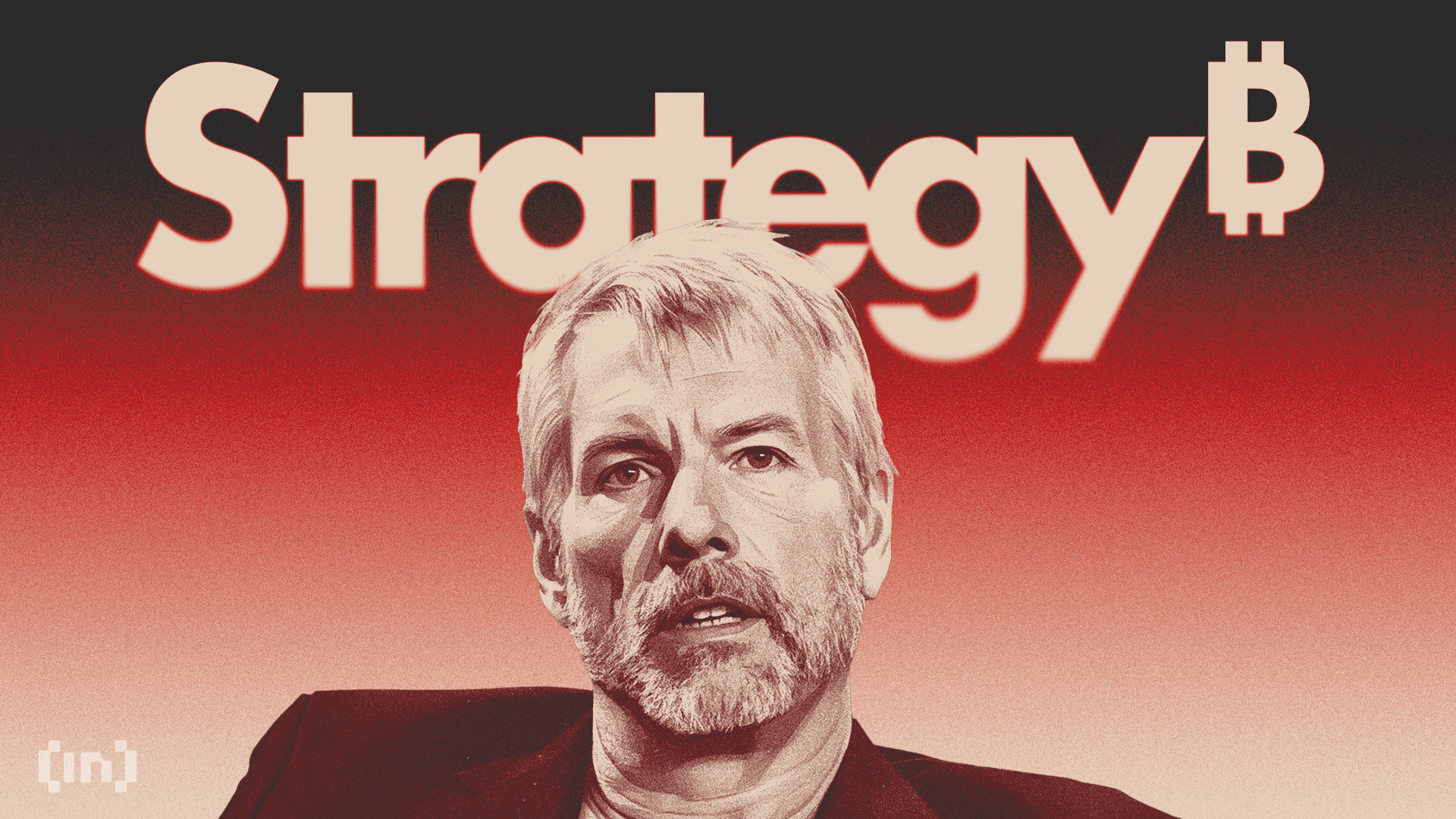
Michael Saylor's Strategic Pivot in Bitcoin Holdings
MicroStrategy is reportedly weighing Bitcoin sales to meet $1.5 billion in annual dividend obligations, marking a notable departure from CEO Michael Saylor's historically maximalist "never sell" philosophy. The potential move represents a fundamental shift in corporate Bitcoin treasury management strategy for the enterprise software company that has accumulated over 190,000 Bitcoin since 2020.
This pivot signals a maturation of corporate Bitcoin adoption beyond pure speculation toward practical treasury management. Saylor's willingness to consider sales challenges the rigid "HODL forever" narrative that has dominated institutional Bitcoin discourse, potentially encouraging more nuanced approaches to digital asset allocation. The move could validate Bitcoin's role as a liquid treasury asset while demonstrating how regulatory clarity around dividend distributions might influence corporate crypto strategies. As crypto regulation news 2026 continues to evolve, companies may increasingly need flexible frameworks for managing digital treasury positions.
Why MicroStrategy's Bitcoin Sale Plans Matter to Crypto Markets
MicroStrategy's Bitcoin strategy has been central to the corporate adoption narrative since 2020, with Saylor previously advocating extreme positions like "selling a kidney" before selling Bitcoin. The company's aggressive accumulation strategy made it a proxy for Bitcoin exposure among traditional investors, but mounting financial obligations now test the sustainability of pure maximalist approaches.
• **Execution details**: Whether MicroStrategy implements systematic selling programs or maintains opportunistic approaches
Corporate Bitcoin Treasury Management Evolution
• **Industry response**: How other corporate Bitcoin holders adjust their treasury policies in response to this strategic shift
The development reflects the ongoing evolution of institutional crypto adoption as companies balance ideological commitments with fiduciary responsibilities in an increasingly regulated environment.
#MicroStrategy #Bitcoin #CorporateTreasury