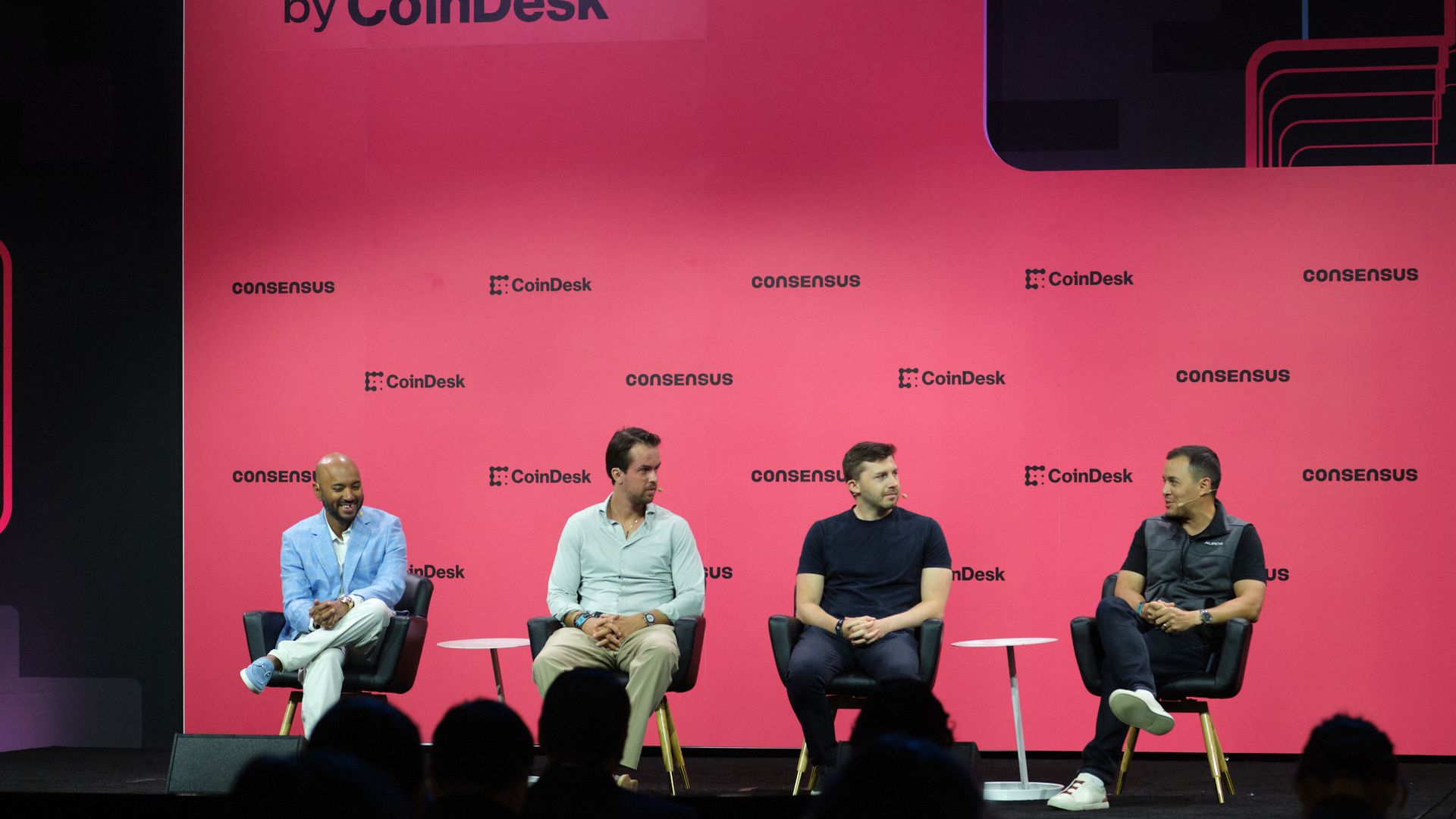
Consensus 2024 panelists identified key barriers preventing institutional adoption of perpetual decentralized exchanges, citing regulatory uncertainty, liquidity fragmentation, and operational complexity as primary concerns. Major institutional players expressed skepticism about integrating perp DEXes into their trading infrastructure, despite the protocols' rapid growth in retail markets.
**Why it matters:** The institutional hesitancy represents a significant bottleneck for DeFi's next growth phase, as perpetual trading represents one of crypto's largest addressable markets. Traditional finance institutions manage trillions in derivatives exposure, but their reluctance to embrace decentralized alternatives limits the potential total value locked and trading volumes across leading protocols like dYdX, GMX, and Gains Network. This institutional gap also constrains the development of more sophisticated financial products that could bridge traditional and decentralized finance.
**Context:** Perpetual DEXes have emerged as DeFi's fastest-growing segment, with combined trading volumes exceeding $2 trillion in 2023. However, institutional adoption patterns suggest a preference for centralized platforms with clear regulatory frameworks and familiar operational structures. The disconnect highlights broader crypto regulation news 2026 discussions, as institutions await clearer guidance before committing significant capital to decentralized protocols.
• **Regulatory clarity developments** - particularly around derivatives trading and custody requirements that could reshape institutional perp DEX adoption timelines
• **Infrastructure improvements** - including cross-chain liquidity solutions and institutional-grade risk management tools that address current operational concerns
The institutional reluctance underscores a critical inflection point for DeFi protocols seeking to capture traditional finance market share while navigating evolving regulatory landscapes.
#PerpetualDEX #InstitutionalCrypto #DeFiRegulation