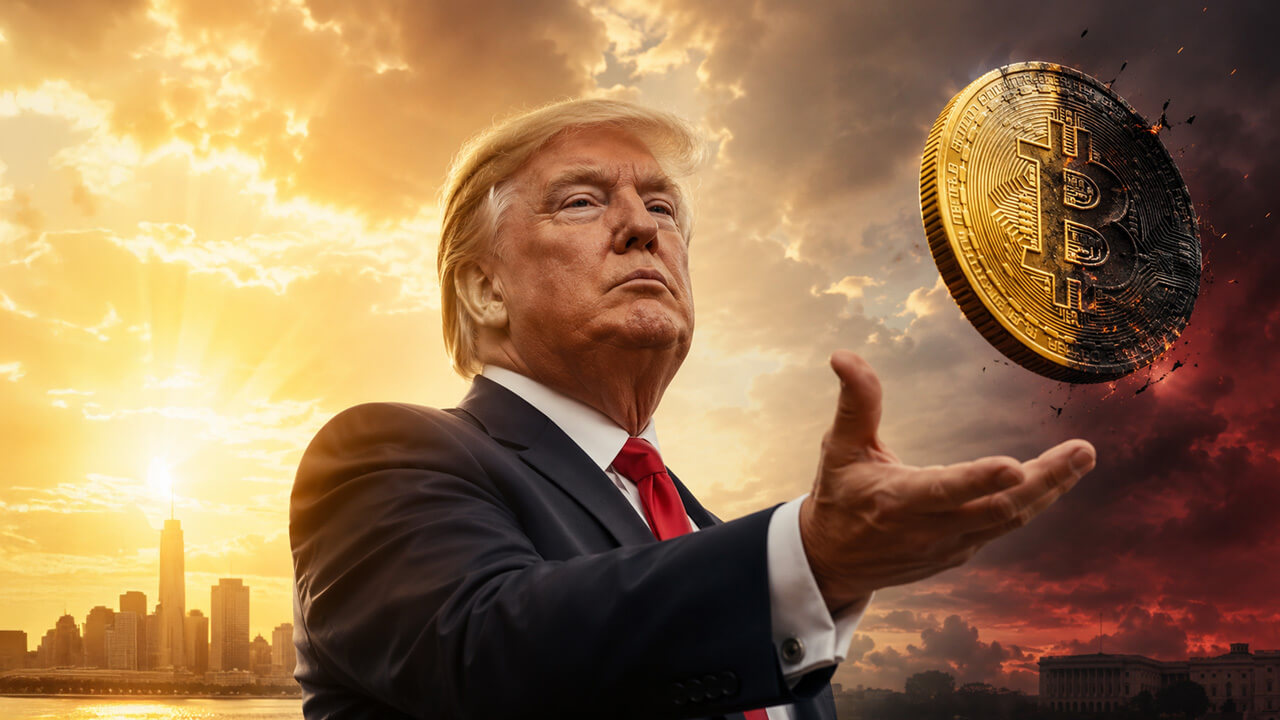
The crypto community faces an uncomfortable reckoning as debates intensify over whether Donald Trump's vocal Bitcoin support has been a net positive for the digital asset or has created damaging partisan divisions. Trump's recent pro-Bitcoin stance, including promises of strategic reserves and crypto-friendly policies, has drawn both praise and concern from industry participants who worry about politicizing what was once viewed as a non-partisan technological innovation.
This debate strikes at the heart of Bitcoin's evolution from libertarian experiment to mainstream financial asset. While Trump's endorsement may accelerate bitcoin institutional adoption by legitimizing crypto among traditional Republican voters and business leaders, it risks alienating progressive investors and policymakers who might otherwise support digital assets. The politicization could create regulatory whiplash depending on election outcomes, making long-term institutional planning more difficult. Major corporations and pension funds considering Bitcoin allocations now must weigh not just market volatility but political risk as well.
The timing coincides with Bitcoin's maturation phase, where institutional acceptance hinges partly on perceived stability and broad-based political support. Historical precedent suggests that technologies achieving widespread adoption typically transcend partisan boundaries rather than becoming political footballs.
• **Bipartisan policy development** — whether Democratic lawmakers will craft competing crypto frameworks or dismiss the sector entirely
• **Corporate allocation decisions** — how Fortune 500 companies navigate potential political associations when considering Bitcoin treasury strategies
The answer may determine whether Bitcoin achieves its potential as digital gold or becomes another casualty of America's polarized political landscape.
#Bitcoin #CryptoPolitics #InstitutionalCrypto